FAO Award Winners 2024: Recognizing Global Food Security Champions
Each year, the Food and Agriculture Organization (FAO) honors individuals and organizations that have made outstanding contributions to food security, sustainable agriculture, and rural development. The 2024 award cycle drew attention to innovative approaches in climate adaptation, smallholder empowerment, and digital agriculture. This analysis examines the context, potential implications, and what may lie ahead for the global food security community.
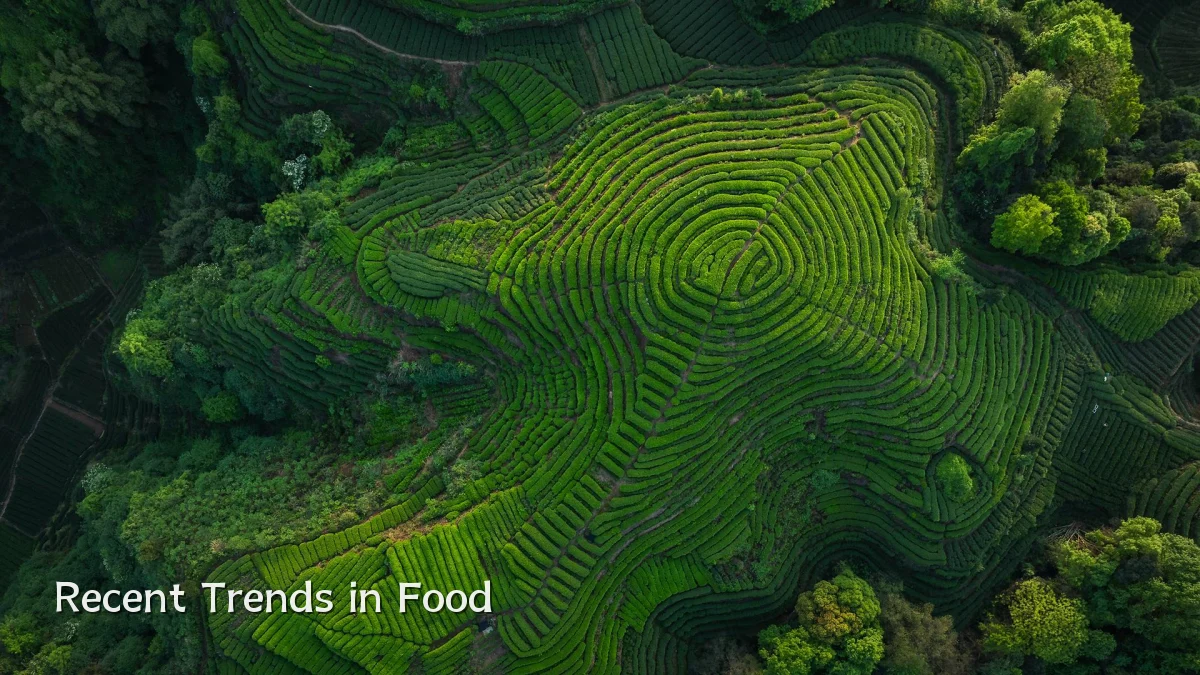
Recent Trends in Food Security Recognition
Over the past several years, FAO awards have shifted from broad honorary recognitions toward highlighting measurable, scalable outcomes. Winners in 2024 are expected to align with three emerging priorities:
- Climate-resilient practices – Projects that integrate agroecology, water management, and drought-tolerant crops.
- Digital and data-driven tools – Platforms that improve market access, weather forecasting, or supply chain transparency for smallholders.
- Inclusive governance – Initiatives that strengthen women’s land rights, youth engagement, and indigenous knowledge systems.
These trends reflect a broader recognition that food security cannot be addressed through production alone; distribution, equity, and environmental sustainability are equally critical.
Background of the FAO Award Program
Established decades ago, the FAO’s award system aims to spotlight replicable models of change. Categories typically include individual champions, community-based projects, and institutional innovations. Past winners have ranged from national extension services to grassroots cooperatives. The 2024 cycle continues this tradition, with nominations drawn from all FAO member countries. The selection process involves technical review panels and is guided by criteria such as impact scale, sustainability, and alignment with the FAO’s Strategic Framework (2022–2031), which prioritizes the four betters: better production, better nutrition, a better environment, and a better life.

Key User Concerns
Stakeholders—including policymakers, donors, and smallholder farmers—often question the practical value of high-profile awards. Common concerns include:
- Relevance to local realities – Whether winning models can be adapted to diverse agro-ecological and socio-economic contexts.
- Transparency of criteria – How assessment methods address systemic barriers such as market power imbalances or weak infrastructure.
- Follow-up support – Whether winners receive more than symbolic recognition, such as technical assistance or networking opportunities.
- Risk of “trophy projects” – That awards may favor well-resourced organizations over smaller, high-impact initiatives.
FAO officials have noted that, in recent cycles, they have strengthened due-diligence processes and invited independent observers to review nominations, though details of specific changes are not always publicly detailed.
Likely Impact of the 2024 Awards
While it is too early to assess concrete outcomes, historical patterns suggest several plausible effects:
- Elevated visibility – Winners often attract additional funding from multilateral or philanthropic partners, accelerating pilot scaling.
- Policy diffusion – National governments may cite award-winning approaches in their own agricultural strategies, especially for climate adaptation.
- Knowledge exchange – Award ceremonies and associated events provide platforms for cross-regional learning, though the depth of exchange depends on follow-up mechanisms.
- Mobilization of local actors – Recognition can strengthen the negotiating position of community-based organizations within value chains.
The extent of impact ultimately hinges on whether winners have the capacity to document and share their methods widely.
What to Watch Next
Several developments deserve attention in the months ahead:
- Implementation roadmaps – Watch for winners to publish case studies or open-access toolkits that detail their approaches.
- Next nomination cycle – FAO is expected to announce any changes to categories or eligibility criteria for the 2025 awards by mid-year.
- Partnership announcements – Look for collaborations between award winners and international research centers or development banks.
- Monitoring and evaluation reports – Independent evaluations of past award impact may provide lessons for refining future selection.
As global challenges—from conflict-driven hunger to climate extremes—intensify, the FAO award program remains one benchmark for identifying and celebrating scalable solutions. Observers will be watching to see whether 2024 winners can translate recognition into lasting change.