Why Your Backyard Garden Is a Lifeline for Pollinators
Recent observations from conservation groups and academic studies highlight a steady decline in native pollinator populations across many regions. Meanwhile, suburban and urban gardens have emerged as unexpected refuges. This analysis examines the role of private green spaces in broader pollinator protection efforts.
Recent Trends in Pollinator Declines
Over the past several years, entomologists and citizen science projects have recorded reduced abundance and diversity of bees, butterflies, and other pollinators in agricultural and wild areas. Contributing factors include pesticide use, habitat fragmentation, and climate shifts. In response, many local governments have introduced voluntary pollinator-friendly planting guidelines.
Background: Why Backyards Matter
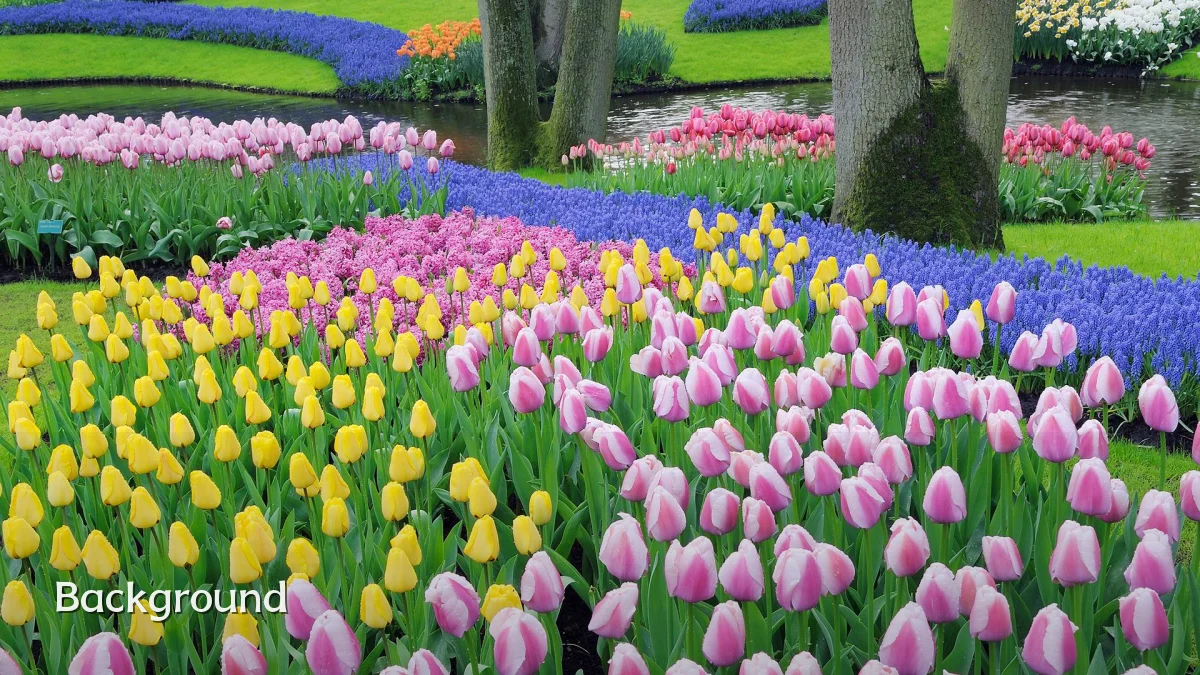
Historically, large natural areas provided core habitat. As development and intensive farming reduce those spaces, residential lots form a network of small but numerous patches. A single garden can supply nectar, pollen, and shelter, especially if it includes native flowering plants and avoids broad-spectrum insecticides. Corridors created by connected gardens help pollinators move between fragmented habitats.
User Concerns: Common Questions from Home Gardeners
- Which plants are best? Local native perennials that bloom across multiple seasons support a wider range of species than exotic ornamentals.
- Is a pesticide-free approach necessary? Reducing or eliminating insecticides, especially during bloom, lowers direct harm. Spot treatments may be acceptable if targeted and minimal.
- How large does a garden need to be? Even a small container garden or a few square meters with appropriate plants can attract and sustain some pollinators.
- What about lawn management? Letting clover and dandelions bloom provides early-season food; reducing mowing frequency helps.
Likely Impact of Widespread Backyard Efforts
If a meaningful portion of homeowners adopt pollinator-friendly practices, the cumulative effect could slow local declines. Research modeling suggests that shifting even 10–20% of suburban land to pollinator-supporting vegetation could create stepping-stone habitats. However, benefits vary by region and the existing population status of target species. Gardens alone cannot replace protected reserves but can serve as supplementary refuges.
Potential outcomes include:
- Increased survival and reproduction of common generalist pollinators.
- Improved genetic exchange between isolated populations.
- Greater public awareness and support for broader conservation policies.
What to Watch Next
Observers should monitor changes in local pollinator monitoring programs (e.g., community bee counts), municipal ordinances regarding pesticide use, and the availability of native plant nurseries. The development of "pollinator-friendly" certification for garden products may also influence consumer choices. Another key indicator is whether agricultural buffer strips and road verges adopt similar diversity requirements.
As research continues, updated regional plant lists and refined safe-use guidelines for yard chemicals will likely emerge. The long-term impact depends on sustained public engagement and integration with larger landscape-scale conservation strategies.